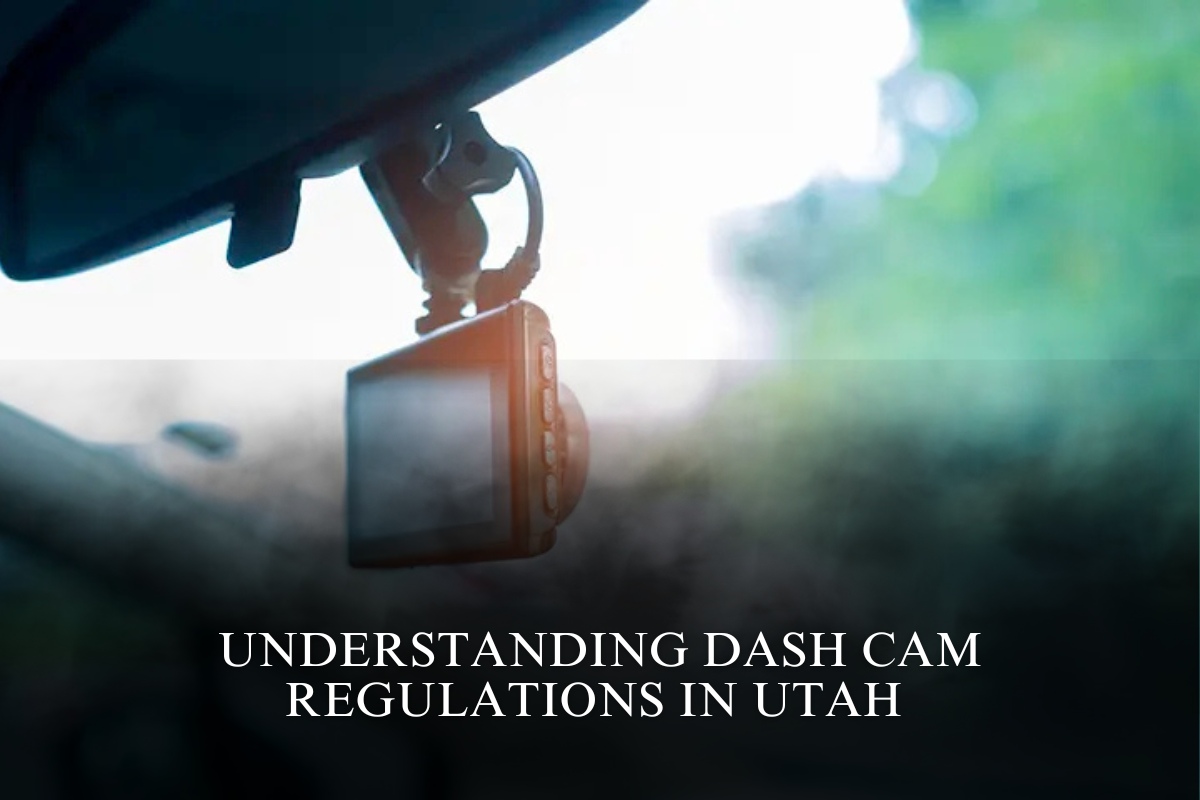
Dash cams have become increasingly popular for providing crucial evidence during traffic incidents, enhancing driver safety, and even helping with insurance claims. For Connecticut drivers, it’s important to understand the specific laws regulating dash cam use to ensure compliance and avoid legal issues. Here’s what Connecticut’s current regulations say about dash cams in 2025.
Legality of Dash Cams in Connecticut
In Connecticut, dash cams are completely legal to use in vehicles. There is no statewide law banning dash cams, and footage from these devices is generally admissible in courts as evidence if obtained lawfully. Many drivers install dash cams to record their drive or incidents on the road for protection and verification purposes.
Mounting and Placement Rules
Connecticut legislation requires that dash cams must not obstruct the driver’s view through the windshield. Specifically, it is illegal to mount opaque objects on the windshield, which includes improperly placed dash cams. The preferred placement is on the dashboard or in front of the rearview mirror—areas that do not interfere with safe visibility. Drivers caught with devices that impair their windshield visibility can face fines or penalties.
Audio Recording Considerations
Connecticut is an all-party consent state when it comes to audio recordings. This means all individuals being recorded must consent to audio capture. Dash cams that record both video and sound must notify passengers to maintain legality. Failure to obtain consent for audio recording may violate privacy laws, which could impact the admissibility of footage in court.
Use of Dash Cam Footage in Legal Proceedings
Dash cam footage is usually accepted as evidence during trials or insurance claims in Connecticut, particularly if the recording was legally obtained and the camera was mounted legally. On the other hand, footage that is altered, tampered with, or illegally recorded may be excluded. Additionally, deleting or tampering with footage from an accident involving legal or insurance claims is prohibited under state law.
Privacy and Ethical Considerations
While dash cams offer many benefits, users must respect privacy boundaries. Capturing footage inside private property, private conversations without consent, or using cameras for surveillance beyond driving contexts could lead to legal trouble. Ethical use includes informing passengers and avoiding unnecessary invasions of privacy.
Practical Tips for Connecticut Drivers
Mount your dash cam on the dashboard or behind the rearview mirror to avoid obstructing your view.
Inform any passengers that audio recording may be active to comply with Connecticut’s all-party consent laws.
Regularly back up and secure footage without tampering to ensure it can serve as reliable evidence if needed.
Use the camera responsibly and avoid invading privacy outside of necessary driving contexts.
Connecticut drivers can confidently use dash cams for safety and legal protection as long as they follow state regulations on mounting, audio consent, and privacy. Properly placed dash cams that respect privacy laws can provide invaluable evidence during accidents and disputes. Staying informed of these rules ensures that drivers benefit from this technology without risking legal complications.
Sources
(https://welcomelawfirm.com/faqs/do-i-need-a-dash-cam-in-my-vehicle-in-connecticut/)
(https://thevlfirm.com/should-you-install-a-dash-cam-in-connecticut/)
(https://www.ddpai.com/blog/dash-cam-laws/)
(https://matrackinc.com/dash-cam-laws-by-states/)
(https://facit.ai/insights/dash-cam-laws-by-state)